Faldingworth and Normanby by Spital School
History at Fair Acres Federation
|
Intent Across the Fair Acre Federation, it is our intention that our children will be given a wide range of opportunities to develop their historical knowledge and skills enabling them to think as historians. As a result of history being taught throughout Early Years Foundation Stage, Key Stage 1 and Key Stage 2, we want:
Implementation Our children will be taught History in a way that ensures progression of the knowledge and skills set out in the National Curriculum (2014), and builds on previous learning. Teachers use the progression of knowledge and skills document to plan their history lessons. This ensures that the knowledge and skills taught are progressive from year group to year group. . Teachers may block teaching and learning of history but will ensure there is an appropriate balance and distribution of work across the year. It is important that history knowledge, from previous topics, is revisited to review that knowledge has ‘stuck’ and provide another opportunity to revisit the knowledge again to help it ‘stick’. Teaching and Learning Our main aim is to develop the children’s knowledge, skills and understanding in history and we use a variety of teaching and learning styles in our history lessons to achieve this. We believe children will be able to think like a historian when:
|
|
Impact Our history curriculum is high quality, well thought out and is planned to demonstrate progression. We focus on progression of knowledge and skills and discreet vocabulary progression also form part of the units of work. Assessment is an integral part of the teaching and learning process. Teachers monitor progress in a formative way and adjust their teaching accordingly. The assessment of children’s work is on-going to ensure that understanding is being achieved and that progress is being made. Feedback is given to the children as soon as possible, and marking work will follow the school’s marking policy. We measure the impact of our curriculum through the following methods:
|

|
History Progression Fair Ares Federation last updated Sept 2022 | [pdf 328KB] |

|
What we have been learning about - KS1
Recently in Key Stage 1 History, we have been learning about:
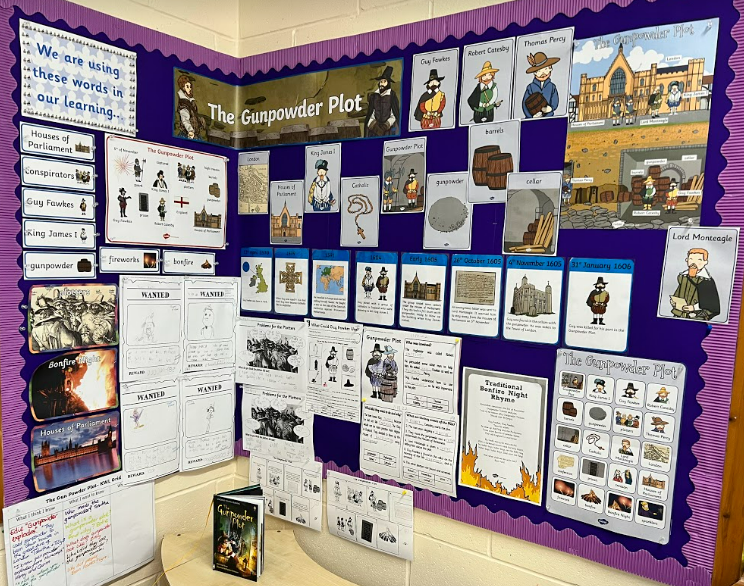
The Gunpowder Plot
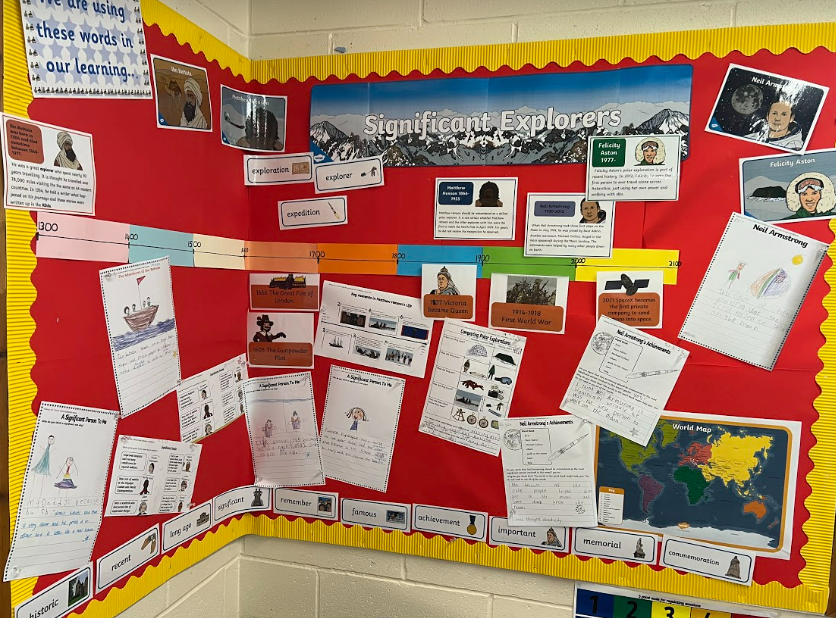
Significant Explorers in History

The Gunpowder Plot
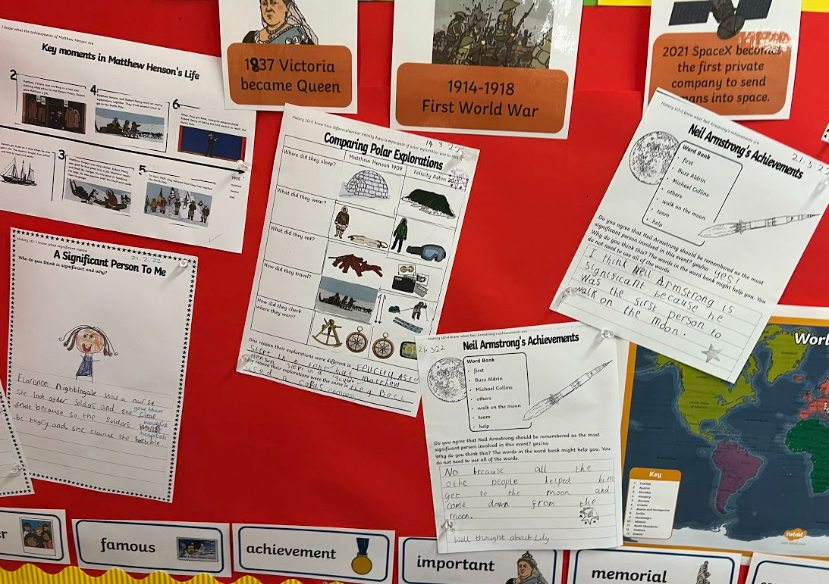
Significant Explorers in History
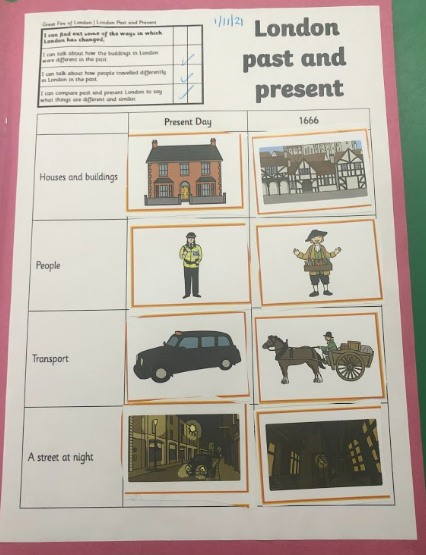
The Great Fire of London
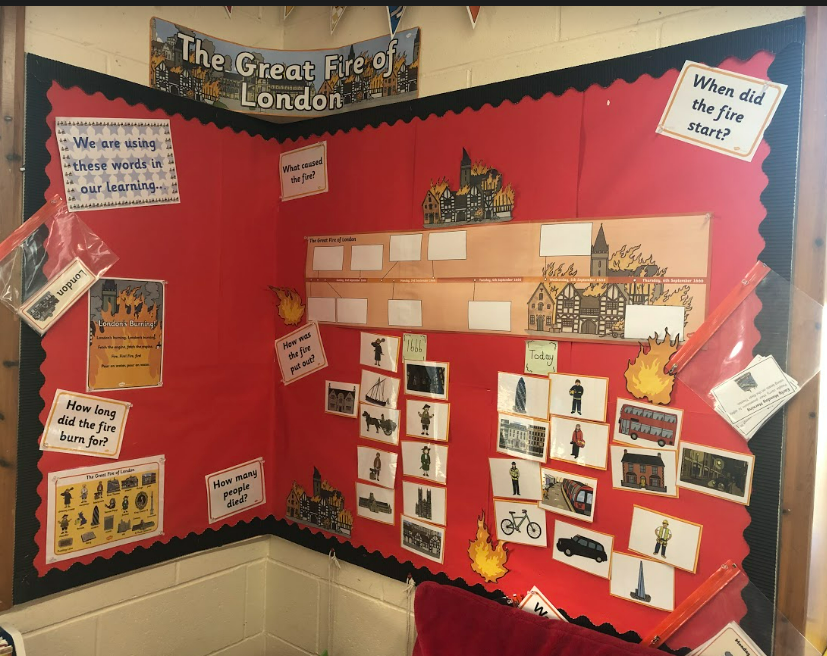
The Great Fire of London
What we have been learning about - KS2
Recently in Key Stage 2 History, we have been learning about:
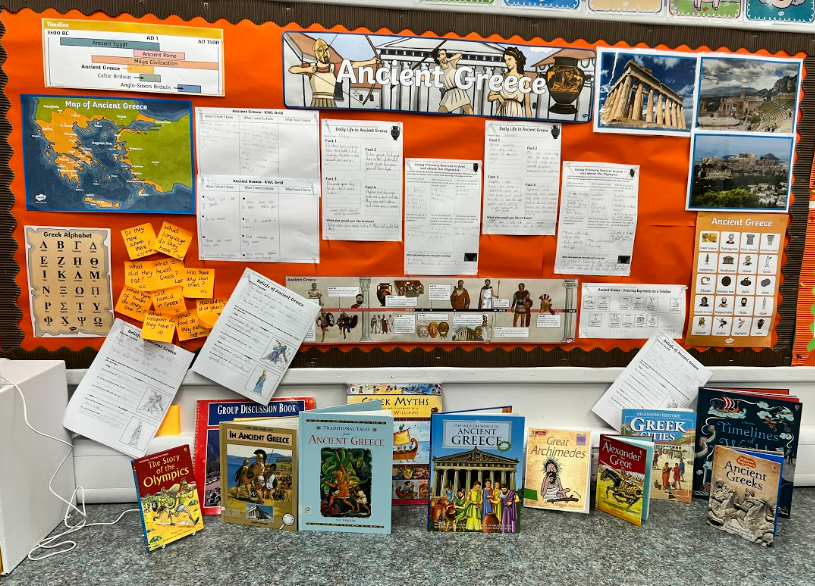
Ancient Greece
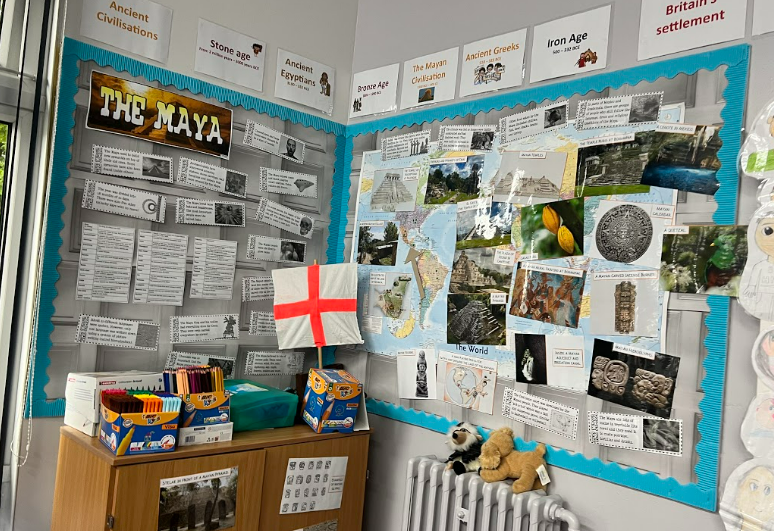
The Ancient Mayan Civilisation
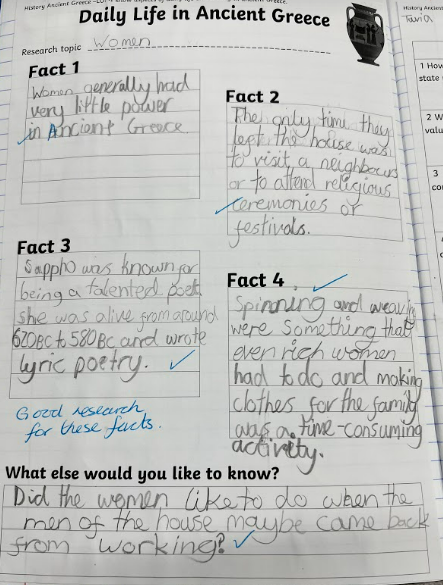
Ancient Greece
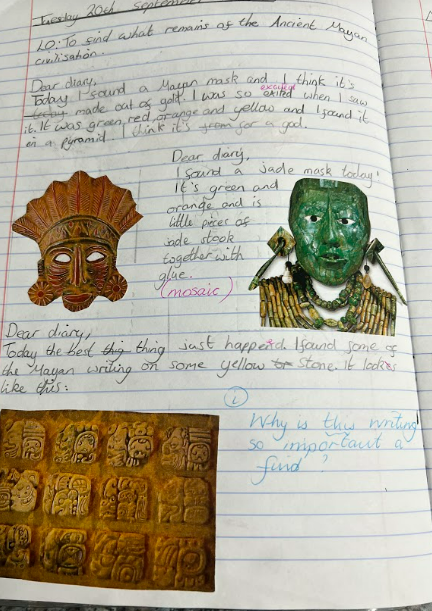
The Ancient Mayan Civilisation
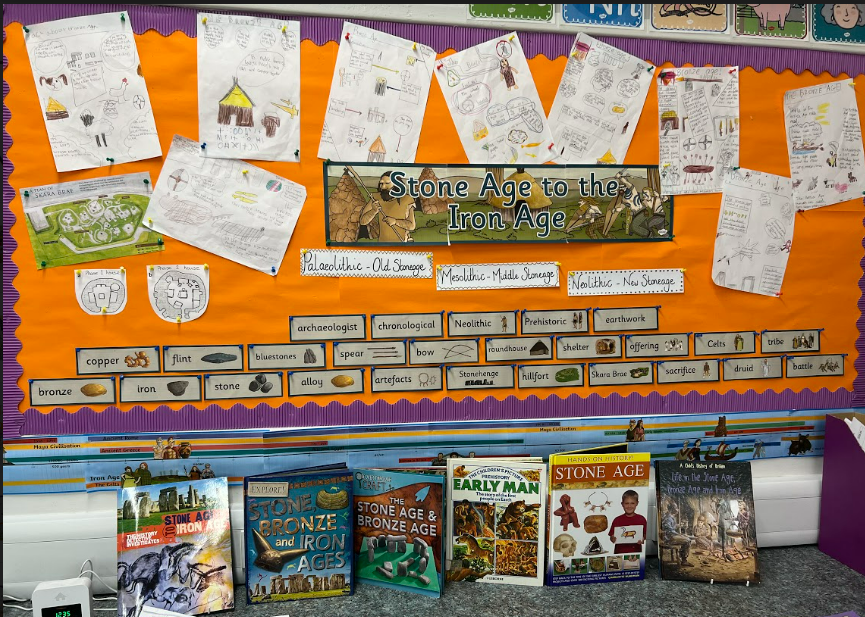
Changes in Britain from the Stone Age to the Iron Age
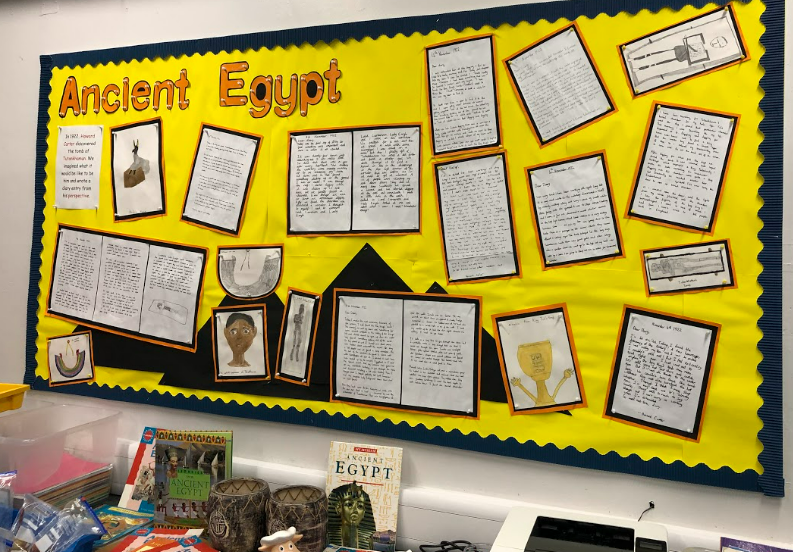
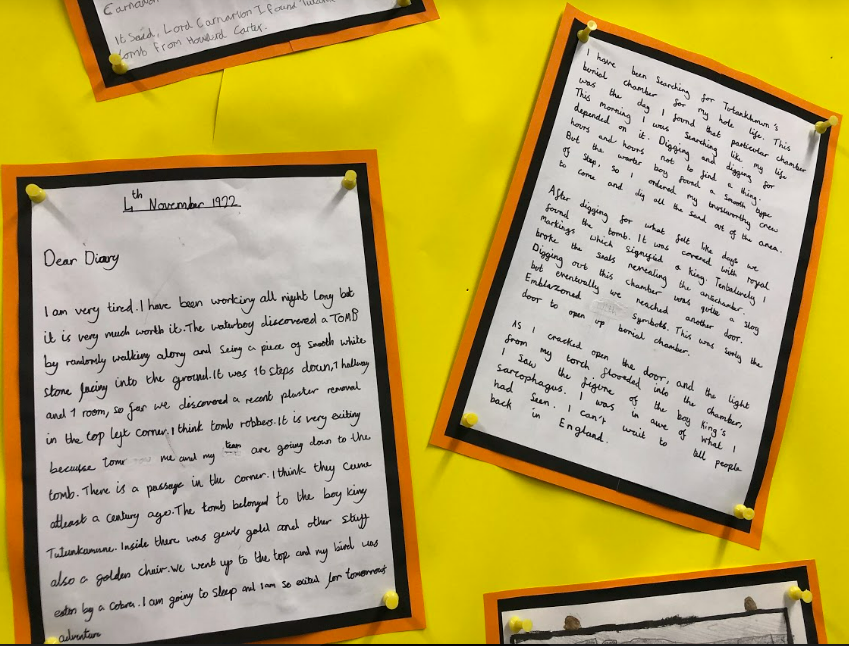
Ancient Civilisations including Ancient Egypt
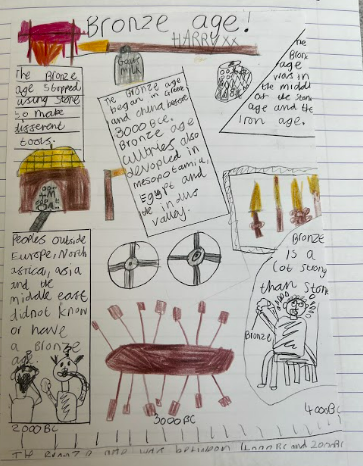
Changes in Britain from the Stone Age to the Iron Age