Art and Design
Intent
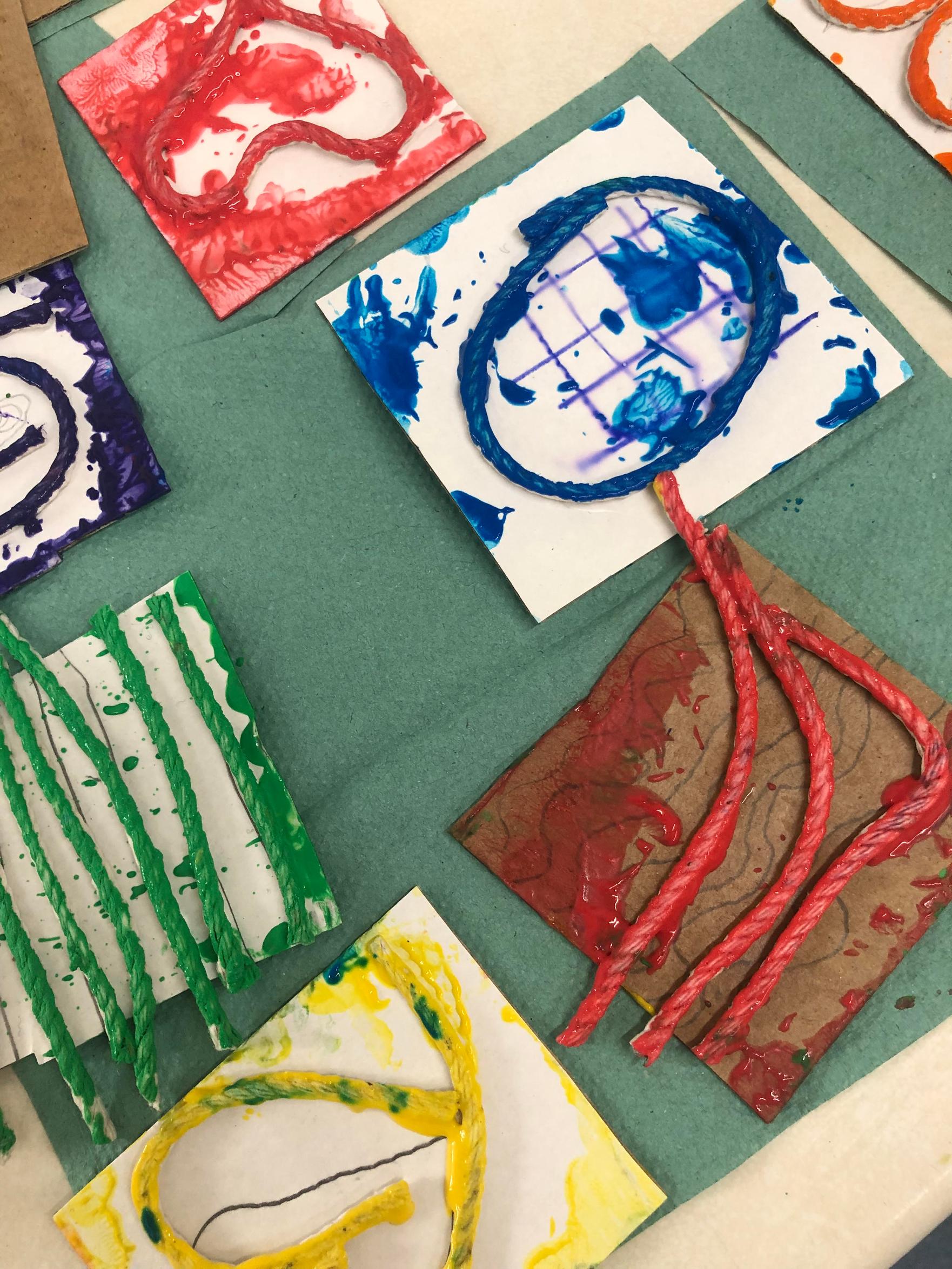
The schools in the Fair Acres Federation want to give our children the opportunity to be artists in their own right! Our art lessons should be a hive of activity – children should experiment with their ideas, line, shape, colour, texture, form, pattern, composition and different materials across a range of art disciplines. Our Art curriculum develops creativity, sets challenges, engages and inspires children and equips them with the knowledge and skills to experiment in order to create their own works of art. The curriculum has appropriate subject knowledge, vocabulary development and skills and understanding. These are used to explore and investigate, create and evaluate artwork, as set out in the National Curriculum.
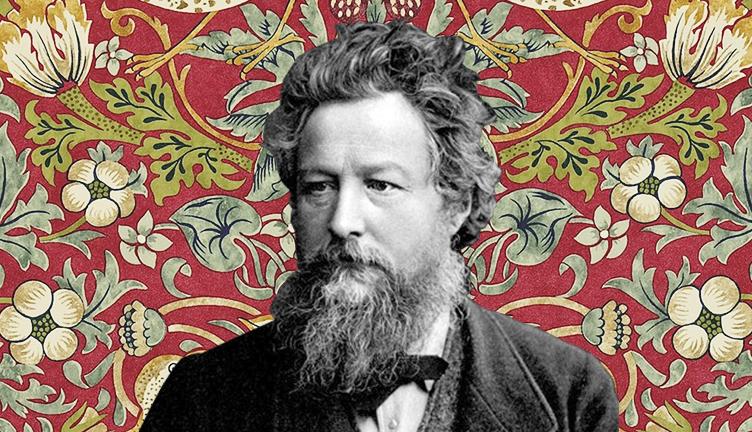
We want our pupils to be aware of different artists (from a variety of cultures, genres and races) and know that it’s good to have unique and individual styles; this will provide opportunities for inspiration and discussion. We want our students to understand that art can be a powerful form of personal expression. Displaying and sharing the work they create (showcasing their skills and progress) enables pupils to create artwork with a real purpose.
Implementation
Our children will be taught Art and Design in a way that ensures progression of the knowledge and skills set out in the National Curriculum (2014), and follows a sequence to build on previous learning. Teachers use our progression of knowledge and skills documents to plan their art and design lessons. This ensures that the knowledge and skills taught are progressive from year group to year group.
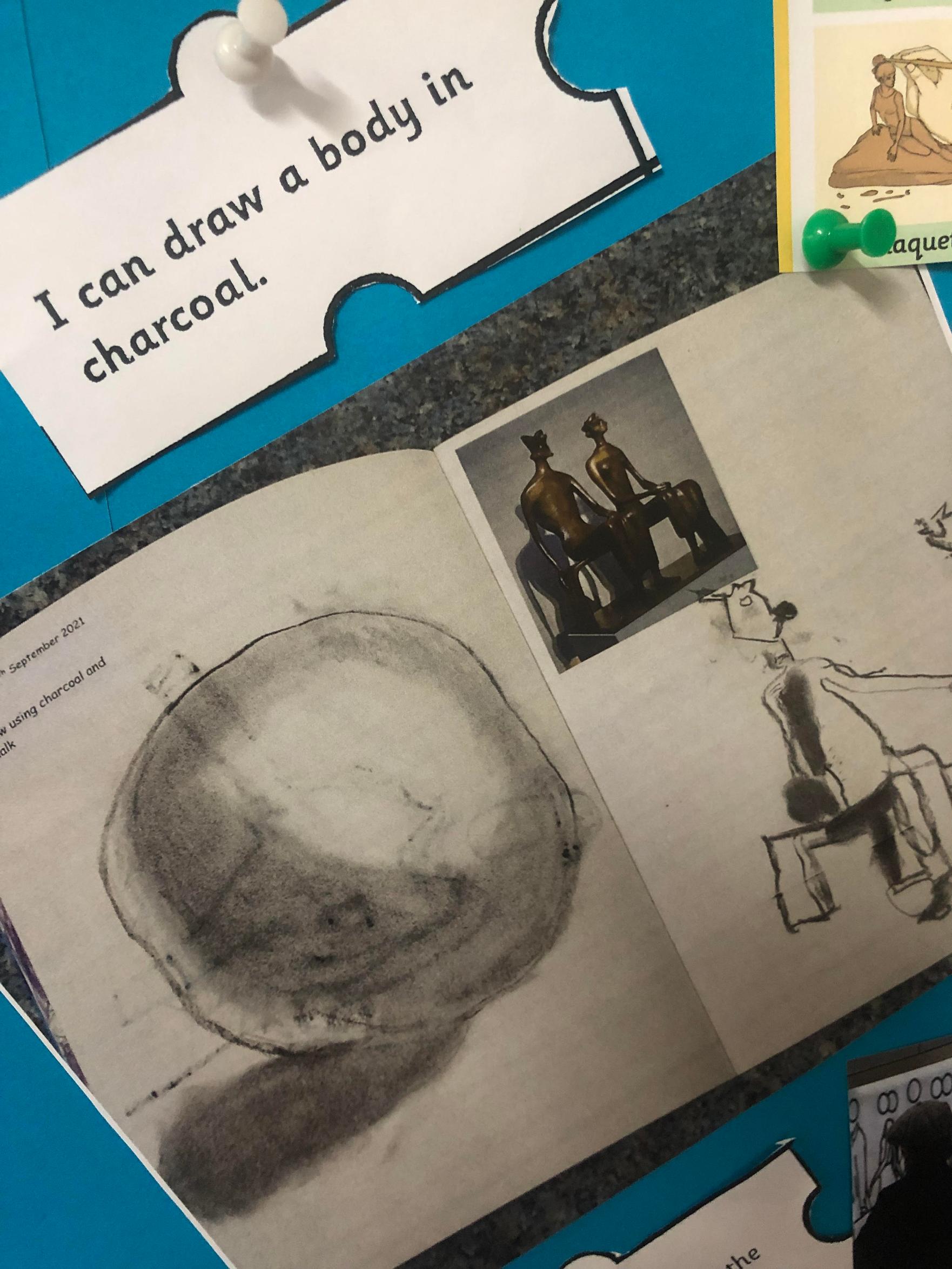
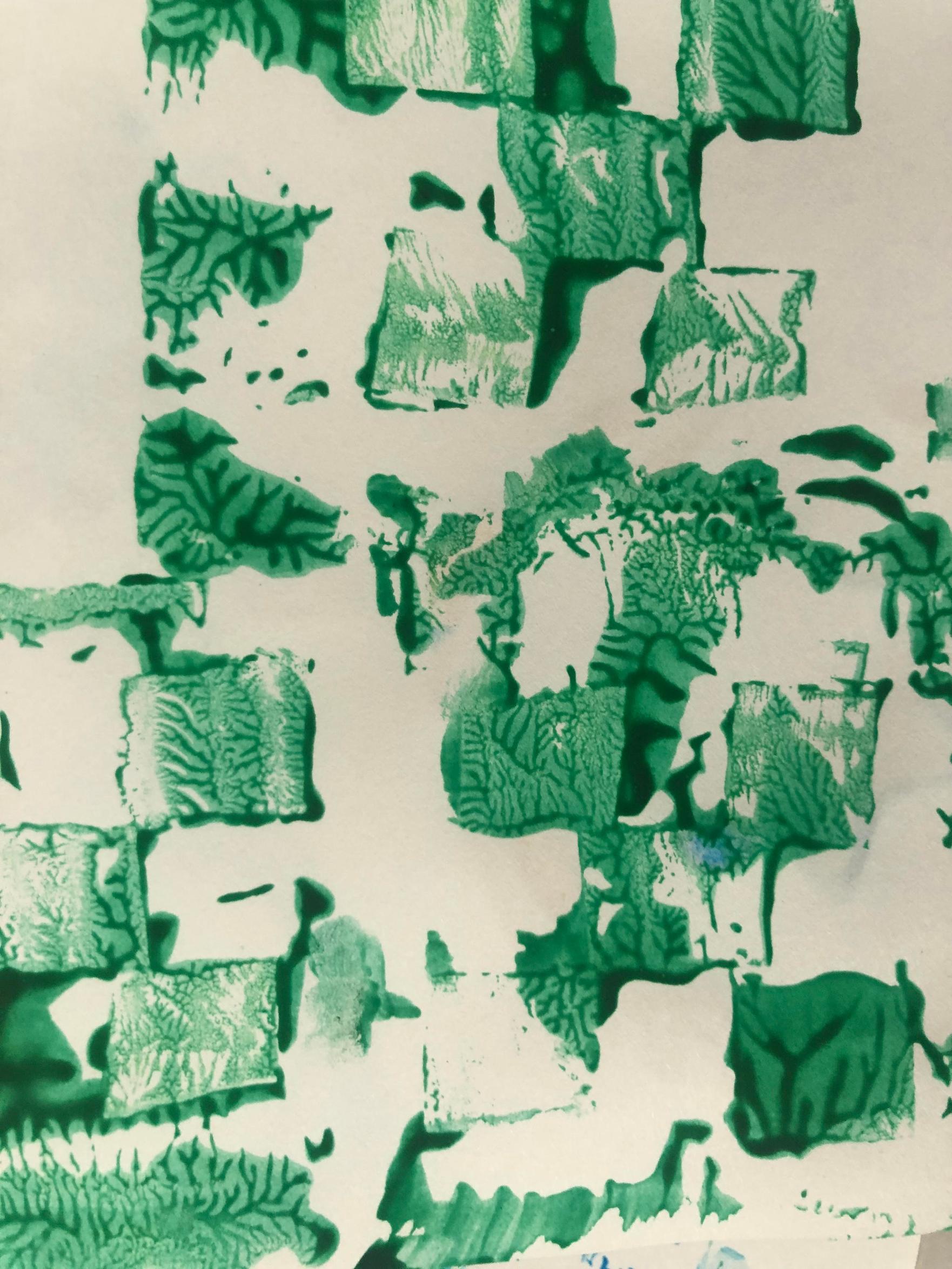
Drawing skills underpin all of our artistic learning, and pupils explore and develop their drawing skills as part of their research and understanding of the artists and knowledge for each unit of work. Each academic year, students will study the works of three famous artists in the areas of Drawing, Painting and Printing and one of 3D Design – Sculpture or Textiles and Collage. Digital art is also explored as a contrast to more traditional art forms. At the beginning of each unit of work, pupils will study an artist, their work, style, skills and lives, before using those techniques to explore work more widely.
The teaching, learning and sequencing of the curriculum will include the following -
-
Wherever possible first hand experiences and real things are used to stimulate art and design activities.
-
New techniques and skills are modelled and examples of work are shown to the children.
-
Pupils have the opportunity to investigate, explore and develop ideas and techniques. This journey of exploration will be evidenced in sketchbooks
-
They are also involved in evaluating their work, celebrating success and identifying areas for improvement.?
-
Art activities are differentiated to ensure that all pupils can access the tasks and have an appropriate level of challenge.
-
Pupils with particular talents are given opportunities to extend them.
-
Opportunities for using and extending art skills are built into lessons in other subjects.
-
Development of wider vocabulary in order to understand and talk about art??
-
Children will have access to contemporary and classical artists.
-
Cross curricular opportunities for further learning and development in the arts are considered as a means of enhancing the children’s learning opportunities.
-
Opportunities to visit performing arts groups, museums, galleries and?other venues will be mapped out over each key stage
-
In the EYs there is continuous provision of art and design opportunities: these activities make important contributions to children’s development in the areas of Expressive Arts and Design and Communication and Language. They are also important in children’s Personal, Social and Emotional development.
Impact
Our art and design curriculum is high quality, well thought out and is planned to demonstrate progression. We focus on progression of knowledge and skills and discreet vocabulary progression also form part of the units of work. We measure the impact of our curriculum through the following methods:
-
Assessing children’s understanding of topic linked vocabulary before and after the unit is taught.
-
Images and videos of the children’s practical learning/learning walks and observations.
-
POP tasks (proof of progression)/comparative judgement
-
Interviewing the pupils about their learning (pupil voice).
-
Moderation staff meetings where pupil’s work is scrutinised and there is the opportunity for a dialogue between teachers to understand their class’s work.
-
Annual reporting of standards across the curriculum.
-
Action planning for progress
Drawing and Painting
Printing
Sculpture
Textile
Collage
Art appreciation - we study a range of famous artists
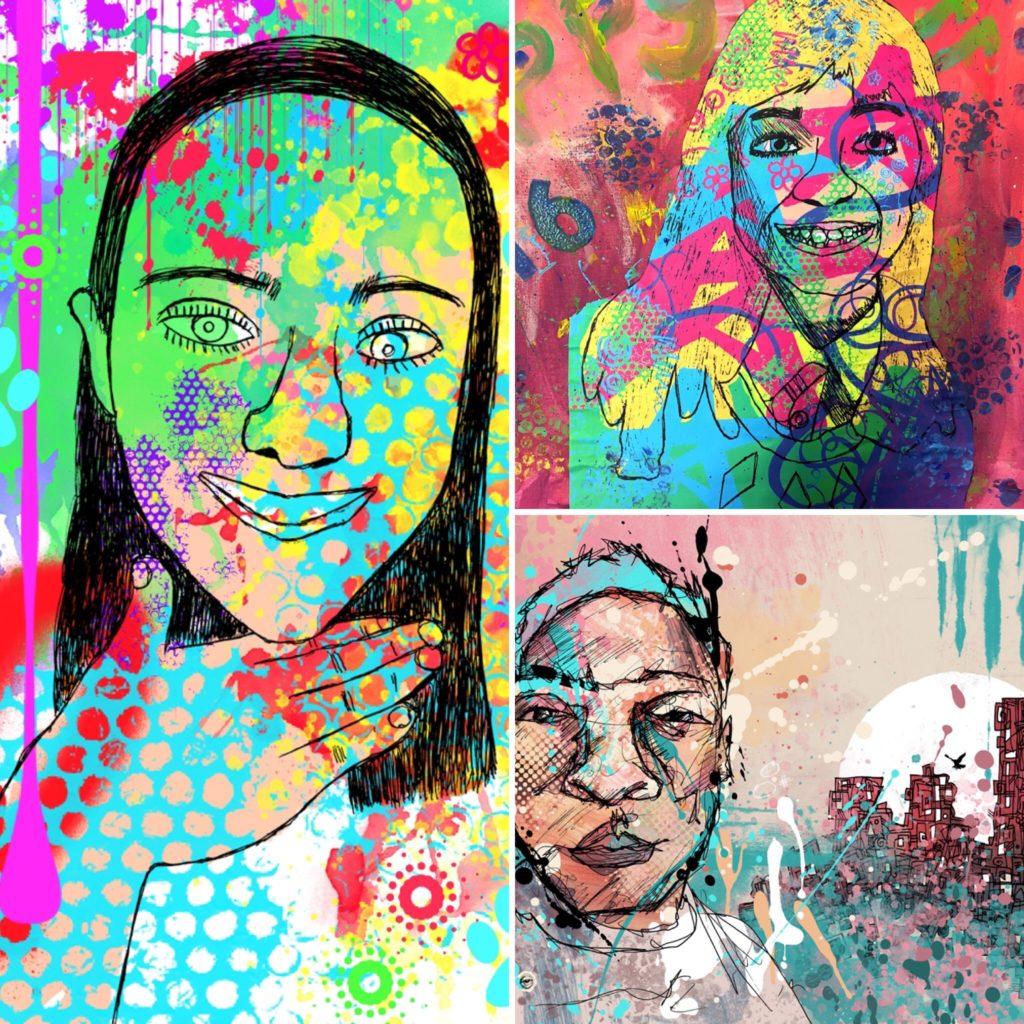
Art through
Technology

|
ART Progression Fair Acres Federation Sept 2021 (1) | [pdf 1MB] |

|